 Westlands Is Building Up: What the Surge in 1- and 2-Bedroom Apartments Really Means
By Numa Real Estates KE
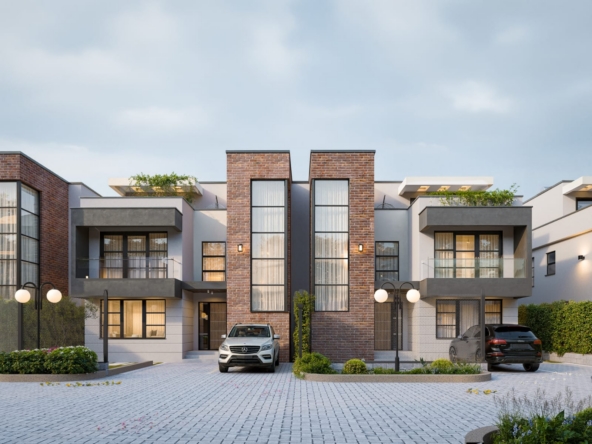
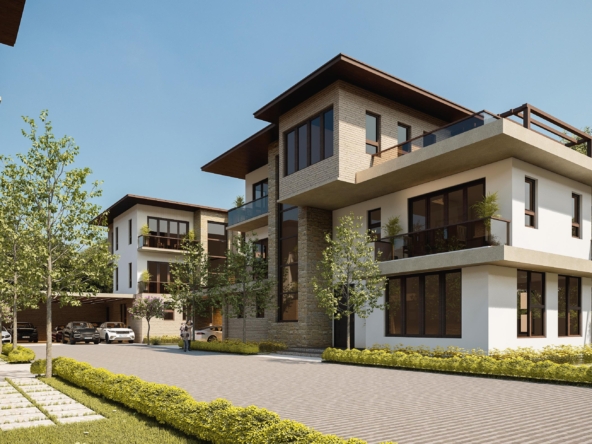
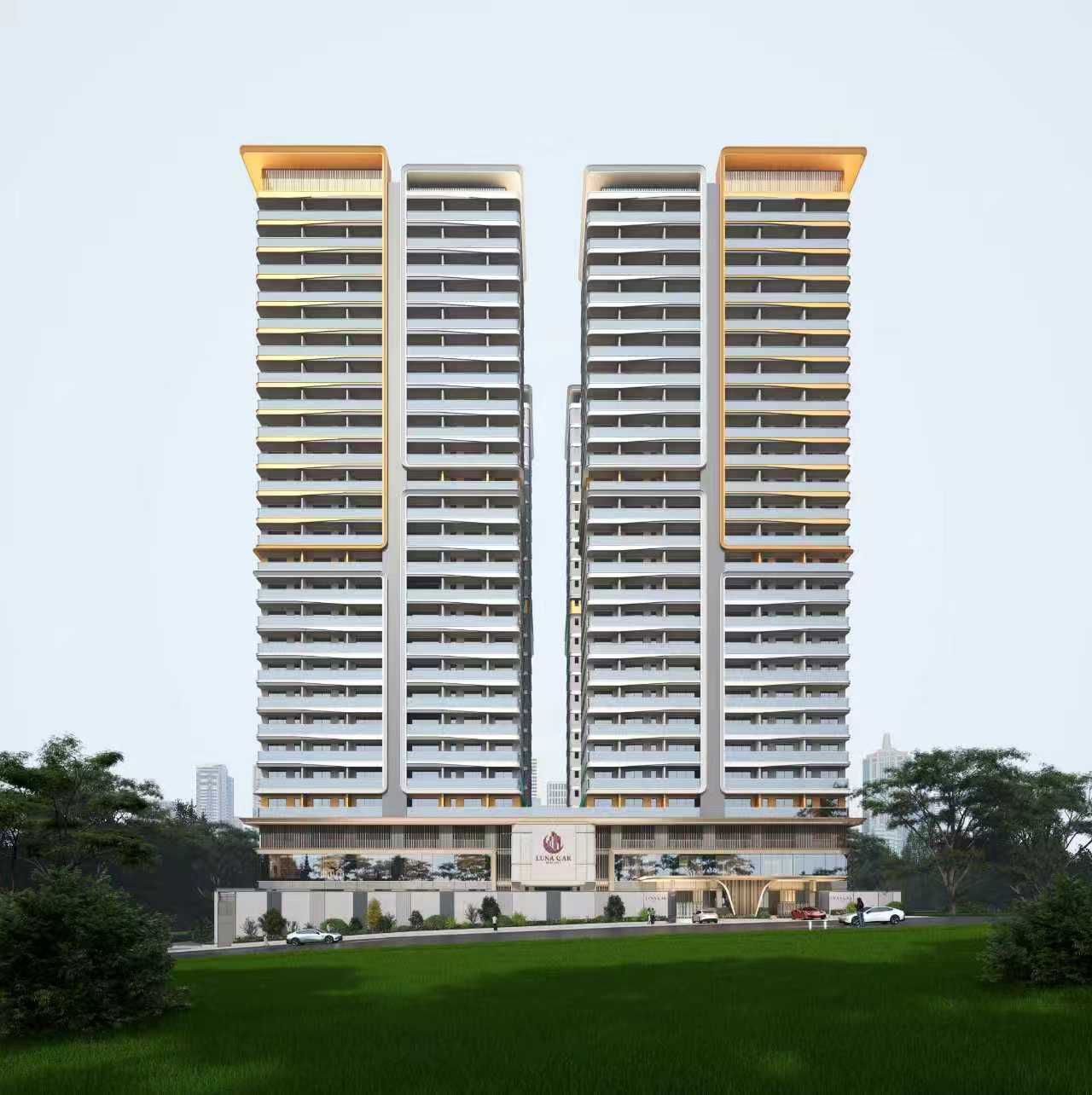
Drive through Westlands today and one thing is difficult to miss: Nairobi’s skyline is changing rapidly.
Where there were once standalone homes, low-rise commercial buildings and quiet residential streets, cranes and construction sites are increasingly becoming part of the landscape.
Among the most common developments are modern apartment projects dominated by one- and two-bedroom units.
For buyers and investors watching the market, this raises an important question:
Are we building too many apartments in Westlands?
It is a fair question—and one that deserves a more nuanced answer.
The concern is not simply that there are too many apartments. The bigger question is whether the market is producing more similar units than the number of buyers and tenants willing to absorb them at current prices.
And that distinction matters.
Why Are So Many 1- and 2-Bedroom Apartments Being Built?
The popularity of smaller apartments is not accidental.
One- and two-bedroom units generally have a lower entry price than larger apartments and therefore appeal to a broader pool of buyers and tenants.
They are particularly attractive to:
Young professionals
Couples
Corporate employees
Expatriates
Small families
First-time homeowners
Investors targeting the rental market
Buyers looking for relatively accessible entry points into Westlands property
Westlands also offers a powerful combination of location and convenience.
Residents have access to major business centres, shopping malls, restaurants, hotels, hospitals, entertainment, schools and transport connections—all within a relatively concentrated area.
For someone working in Westlands, Parklands, Riverside or the Nairobi CBD, living nearby can significantly reduce commuting time.
There is therefore a genuine underlying demand for apartments.
The challenge is that developers have recognised the same opportunity—and many are building for the same customer.
The Concern Isn’t Necessarily “No Demand”
This is where the oversupply conversation can sometimes become misleading.
An apartment building surrounded by several other developments does not automatically mean the market has failed.
The real issue is competition.
If ten developments are offering similar one-bedroom apartments within the same catchment area, tenants suddenly have more choices.
If the apartments are similarly priced, similarly sized and offer similar amenities, the landlord has to compete harder for tenants.
That competition can eventually put pressure on:
Rental prices.
Occupancy rates.
Resale prices.
Capital appreciation.
Investment yields.
This is why increasing supply deserves attention.
There can be an oversupply of apartments without there being an oversupply of good apartments.
The Real Competition Is Between Similar Buildings
Consider a tenant looking for a one-bedroom apartment in Westlands.
They may have several properties to choose from, all offering:
Modern finishes
A gym
Swimming pool
Borehole
Backup generator
Security
Parking
Similar floor plans
Similar rental prices
If every development looks and feels the same, what makes one property stand out?
This is where the market becomes more selective.
Developers have to compete on more than architectural renders and attractive showrooms.
They need to offer genuine value.
Location, apartment size, layout, natural light, views, parking, security, management, internet connectivity, service charges and the overall resident experience increasingly matter.
What Should Investors Be Worried About?
For someone considering purchasing a one- or two-bedroom apartment, the biggest question should not simply be:
“Will Westlands continue to grow?”
A better question is:
“Will this particular apartment remain competitive when I eventually want to rent or sell it?”
That requires looking beyond the brochure.
An investor should examine:
How many competing developments are nearby?
How many units are currently available?
How many projects are under construction?
What are comparable apartments actually renting for?
What are comparable properties selling for?
What is the expected service charge?
What is the developer’s track record?
How easily can the property be resold?
What happens if projected rental income is not achieved?
These questions can make the difference between buying a property and making a good investment.
The Service Charge Question
Another issue that deserves more attention is the cost of maintaining modern apartment lifestyles.
Swimming pools, gyms, lifts, generators, boreholes, landscaped gardens, security systems, concierge services and other amenities all require money to operate and maintain.
For an investor, monthly service charges can materially affect the actual rental return.
A property advertised with an attractive gross rental yield can look very different after accounting for:
Service charge + vacancy periods + maintenance + property management + taxes + financing costs.
This is why investors should focus on net returns, rather than headline rental yields alone.
Are One-Bedroom Apartments Becoming Risky?
Not necessarily.
One-bedroom apartments continue to serve a genuine and important segment of Nairobi’s housing market.
The risk is not the one-bedroom concept itself.
The risk is buying an ordinary one-bedroom apartment in an increasingly crowded market at an ordinary price and expecting extraordinary returns.
A well-located, well-designed and well-managed apartment with reasonable service charges can still perform strongly.
But investors need to become more selective.
Instead of asking:
“How much will this apartment be worth in five years?”
Ask:
“Who will want to rent or buy this apartment in five years?”
That question may be far more valuable.
What About Two-Bedroom Apartments?
Two-bedroom apartments can potentially benefit from a broader tenant and buyer pool.
They can appeal to couples, small families, professionals sharing accommodation and tenants who want an additional room for guests or working from home.
But again, size alone does not guarantee a better investment.
The fundamentals still matter:
Location. Layout. Price. Quality. Parking. Management. Service charge. Rental demand. Competing supply.
The best investment is not necessarily the biggest apartment.
It is the property where the purchase price, rental potential, demand and long-term prospects make sense together.
The Opportunity Hidden Inside the Concern
Interestingly, the apartment construction boom could ultimately make Westlands a more sophisticated residential market.
Competition can force developers to improve.
Buyers can demand better layouts and finishes.
Tenants can become more selective.
Buildings with poor management may struggle, while properties offering genuine value can stand out.
For buyers, increasing supply can actually create an opportunity.
More supply means more choice—and potentially more negotiating power.
Instead of buying simply because a salesperson says:
“Only three units are left,”
buyers should be asking:
What are similar apartments selling for?
What are comparable units renting for today?
How much competing supply is coming into the area?
What will the service charge be?
What is the developer’s track record?
When will the project realistically be completed?
What happens if the projected rental income is not achieved?
Those questions are far more important than how impressive the swimming pool looks in the artist’s impression.
Westlands Is Not Finished—It Is Evolving
The current wave of apartment construction should not automatically be interpreted as the end of Westlands’ investment story.
Far from it.
Westlands remains one of Nairobi’s most established mixed-use and residential destinations, supported by offices, businesses, retail, hospitality, entertainment and a large professional population.
But the market is changing.
The conversation is moving from:
“Can I sell an apartment in Westlands?”
to:
“Can I sell this particular apartment in Westlands at the price I want?”
That is a much more sophisticated market.
For developers, it means differentiation matters.
For investors, due diligence matters.
For end-users, value matters.
And for the Westlands market as a whole, the next few years may reveal which developments were built simply because apartments were popular—and which ones were built because developers genuinely understood the people who would live in them.
Why the Right Property Advisor Matters
With so many developments coming up in Westlands, buyers and investors should not make decisions based solely on attractive showrooms, impressive architectural renders or promises of high rental returns.
The right property advisor can help you look beyond the sales pitch.
At Numa Real Estates KE, we believe buying property is not simply about finding an apartment.
It is about finding the right property for your specific objective.
Whether you are purchasing a one-bedroom apartment as a rental investment, a two-bedroom home for personal use, or a larger property for long-term wealth creation, our role is to help you assess the opportunity from multiple angles.
We help clients consider:
Location and accessibility
Developer track record
Current and future competing supply
Realistic rental potential
Service charges and ownership costs
Unit size and layout
Quality of finishes
Amenities and building management
Payment plans and financing considerations
Resale and long-term investment potential
Whether the property aligns with your investment objectives
Most importantly, we help clients understand that not every apartment in Westlands is automatically a good investment simply because it carries a Westlands address.
Don’t Buy Just Because It’s Westlands
Westlands remains an attractive location, but a strong location alone does not guarantee a strong investment.
The increasing number of developments makes professional guidance even more valuable.
Before committing your money, compare developments, understand the numbers, investigate the developer, assess surrounding supply and determine whether there is genuine demand for the specific property you are considering.
Considering buying or investing in a 1- or 2-bedroom apartment in Westlands?
Speak to Numa Real Estates KE before you commit.
We can help you identify opportunities worth considering, compare developments and make a more informed property decision based on your budget, objectives and investment strategy.
Numa Real Estates KE
Your trusted property partner for buying and investing in Nairobi’s prime real estate market.
📞 0717 009425
🌐 numarealestate.co.ke
Buy wisely. Invest strategically. Choose Numa Real Estates KE.